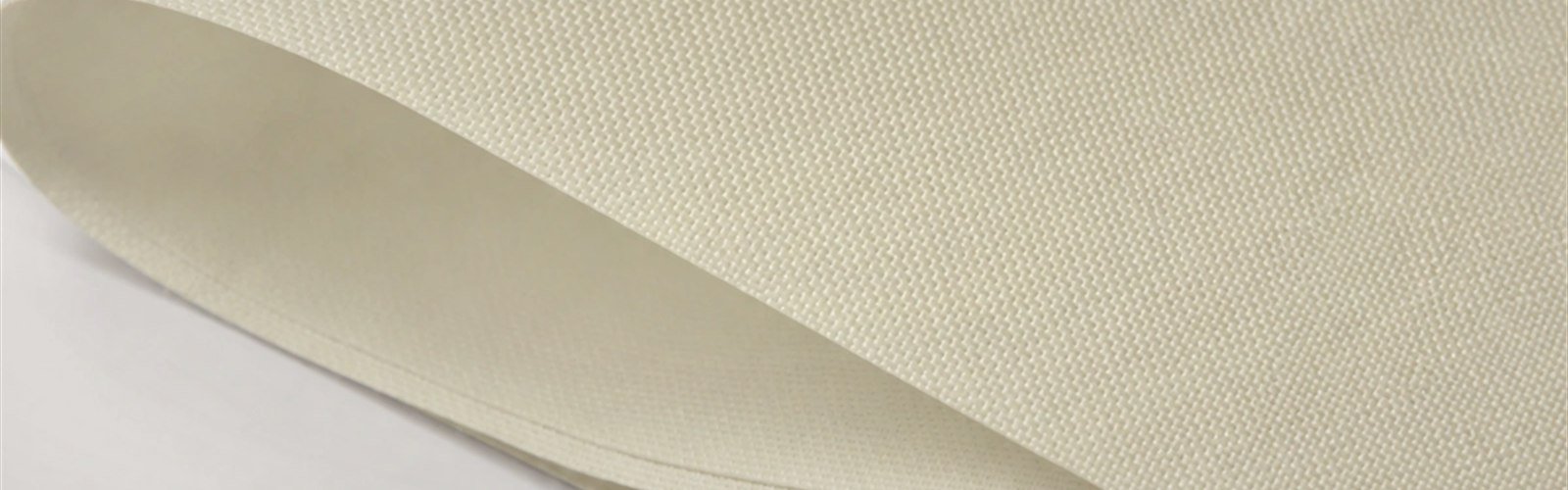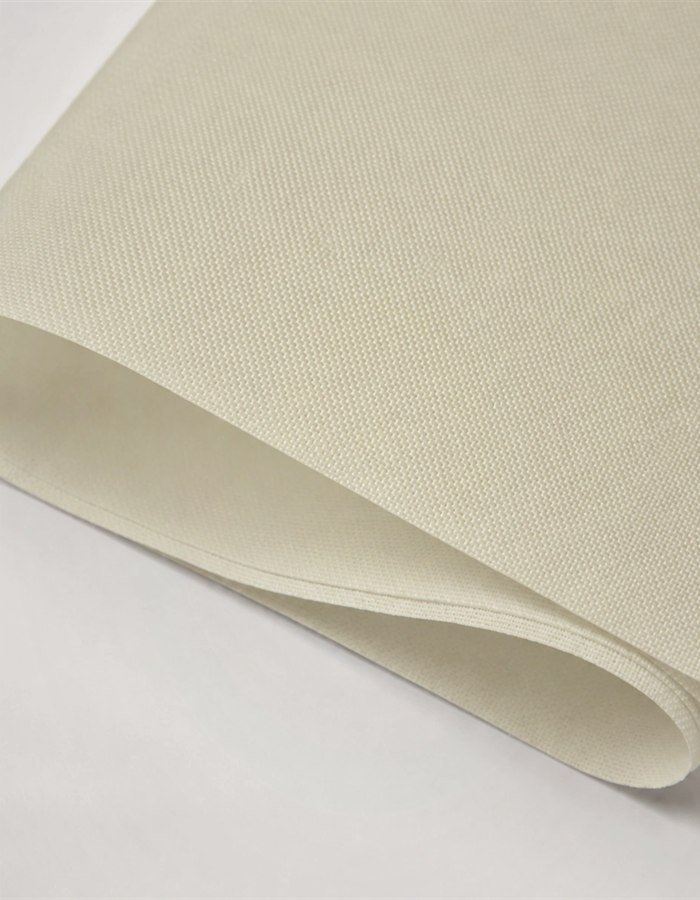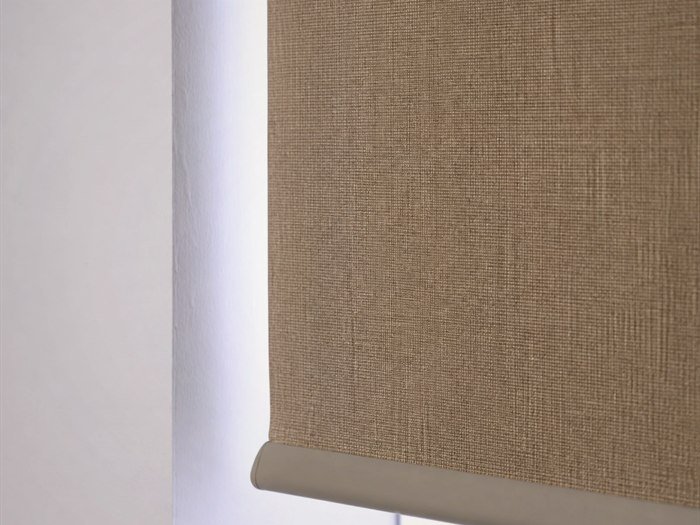
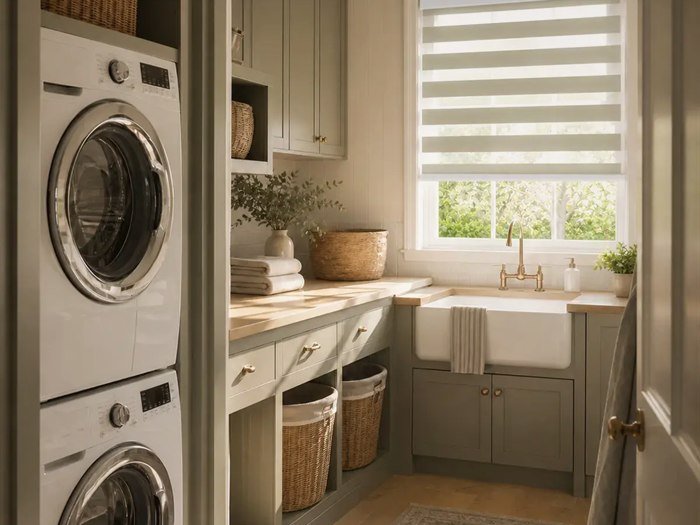


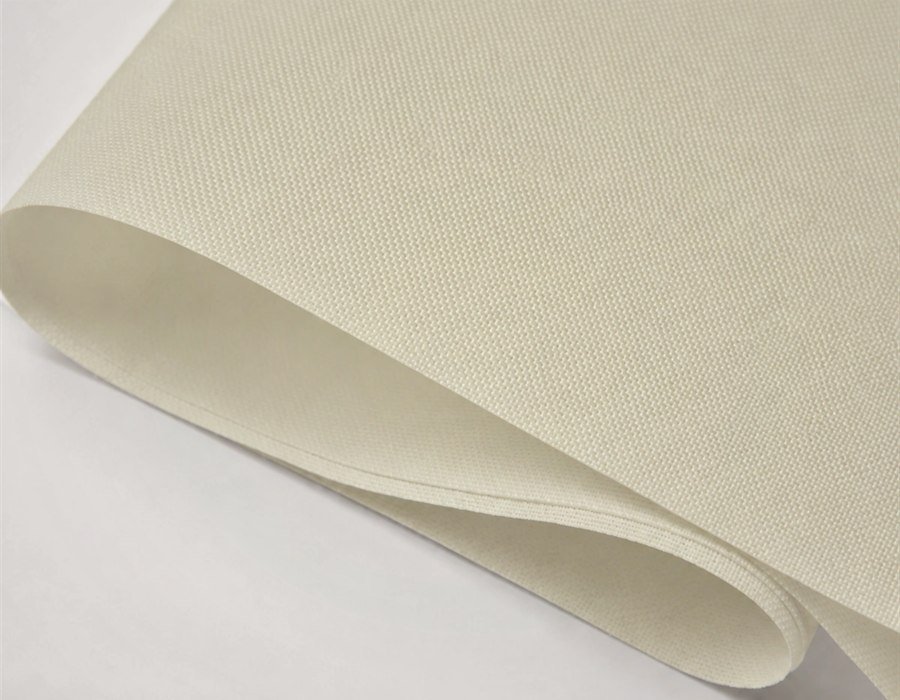
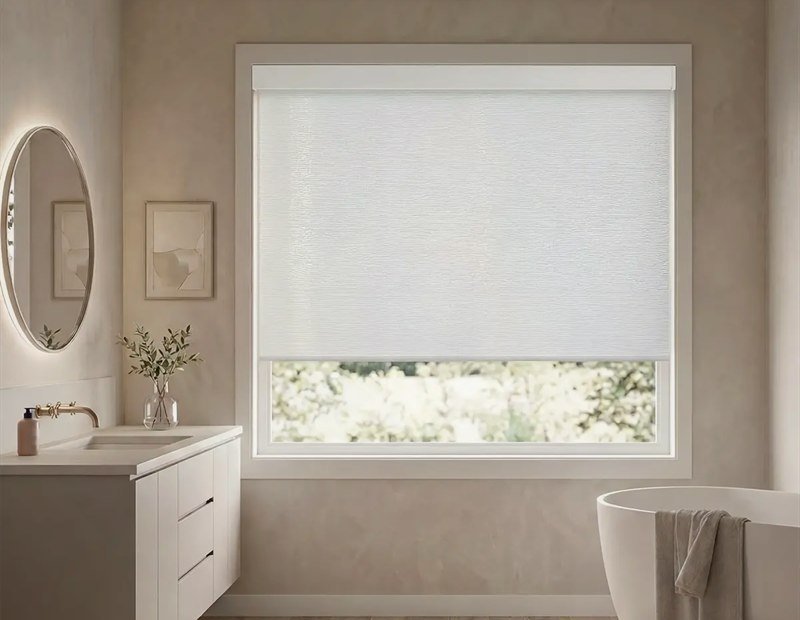
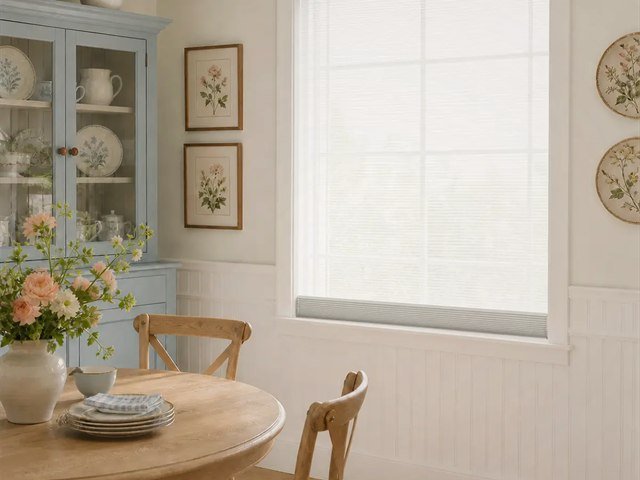
Openness factor is the single most useful number on a solar shade specification, and the one most often misunderstood. It is simply the percentage of the fabric surface that is open hole.
What the number means
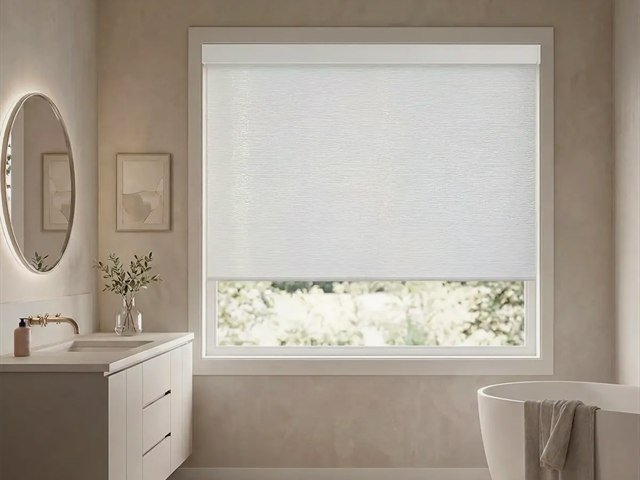
A 3% openness fabric is 3% open, so it blocks 97% of the light hitting it while still allowing a view through. A lower number means more light blocked, a dimmer room and a less clear view. A higher number does the opposite.
Why it is not the same as blackout
An openness factor only describes the holes. A 5% fabric still transmits a great deal of light through the yarn itself. That is why a light filtering shade with a low openness factor is still much brighter than a blackout shade with a 0% factor.
Choosing for the space
For a workspace where screen glare matters, 3% to 5% is the usual band. For a living room where the view matters most, 5% to 10%. For a bedroom, openness factor is the wrong tool: specify a blackout fabric instead.
UV and fading
Most woven solar fabrics block the large majority of UV regardless of openness, because UV is absorbed by the yarn rather than passing through the holes. If fade protection is the primary requirement, ask for the UV transmission figure rather than relying on openness alone.
Frequently asked questions
Slightly, but the bigger factor is whether the fabric is woven or coated. A 3% woven fabric is still a bright, view-preserving shade. A blackout fabric is a different construction entirely.
3% to 5% is the usual choice, because it cuts the low-angle glare that hits screens without making the room feel shut down.