
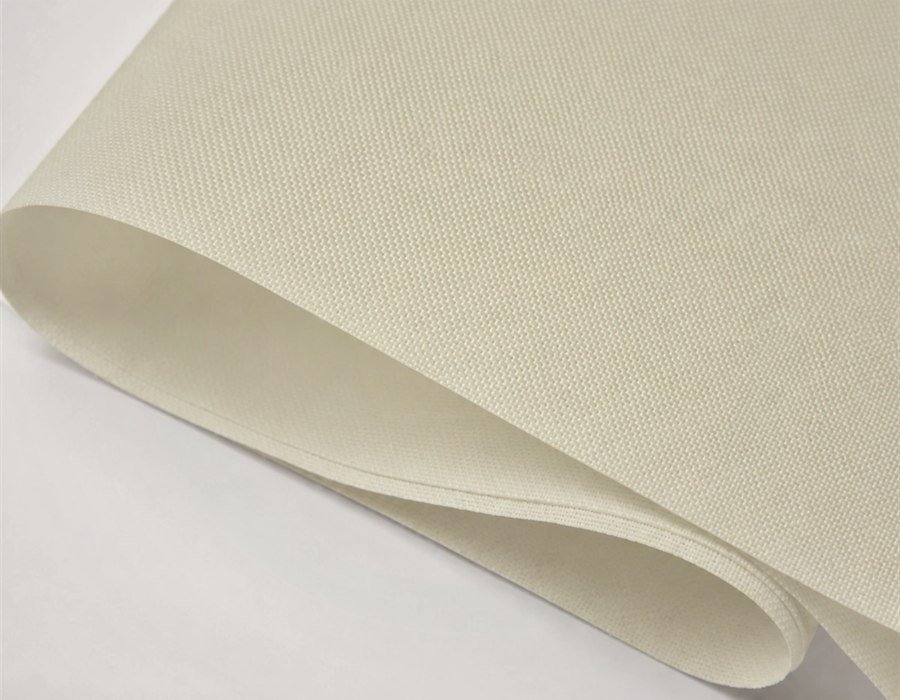
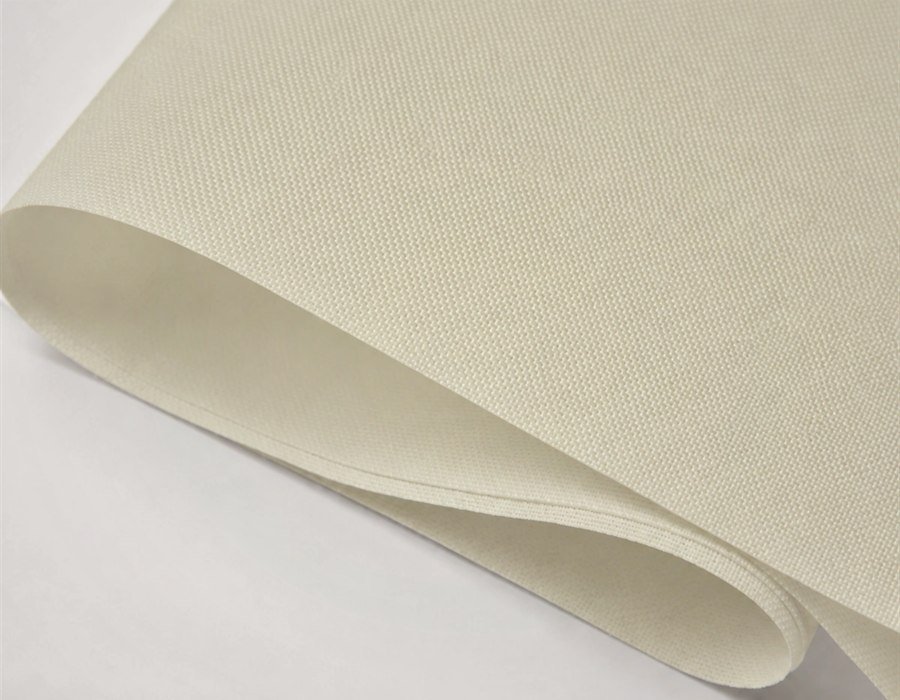
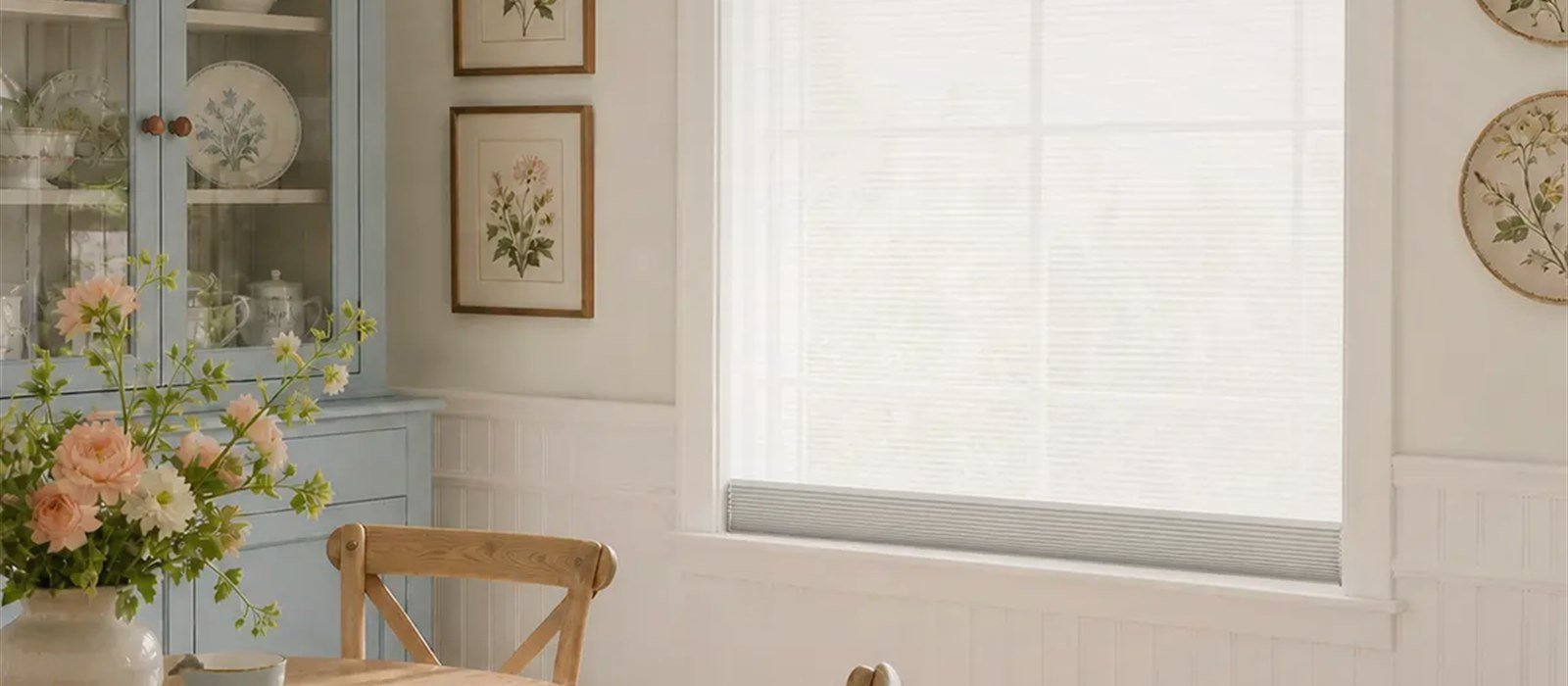
Three shade types come up in almost every specification conversation: roller, cellular and zebra. They look different, they solve different problems, and choosing between them is mostly about deciding which problem matters most in the room you are working on.
Roller shades: the quiet default
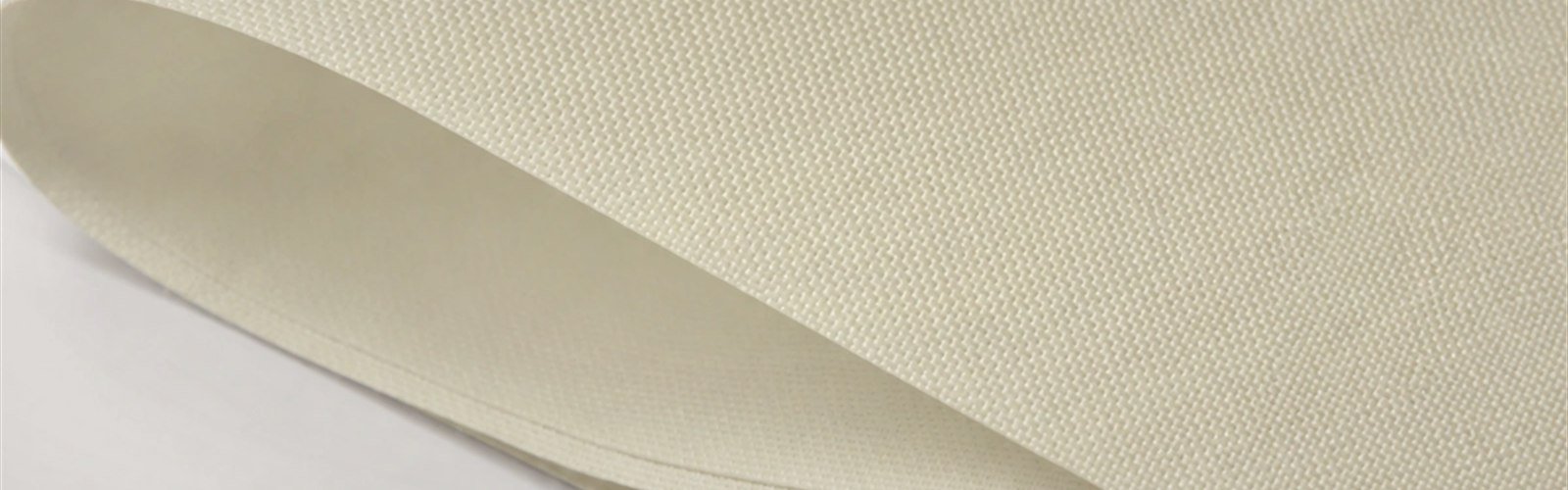
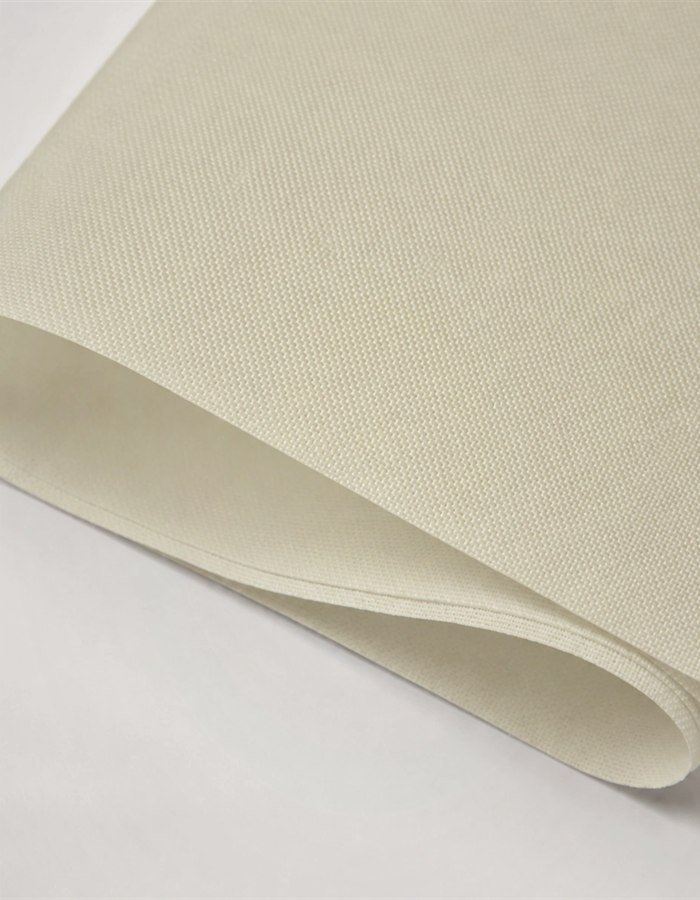
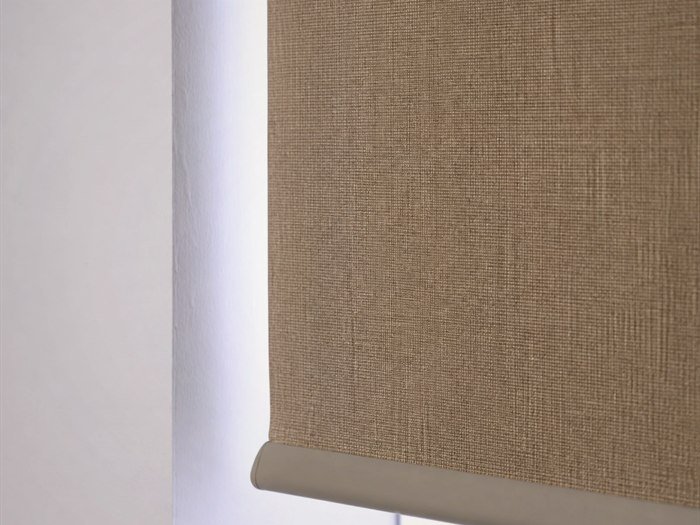
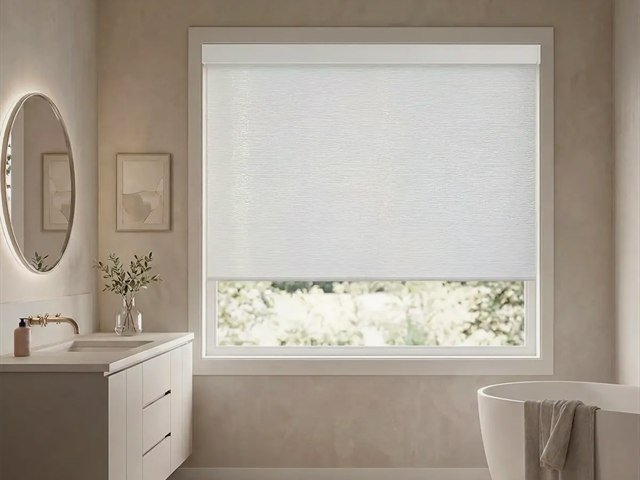
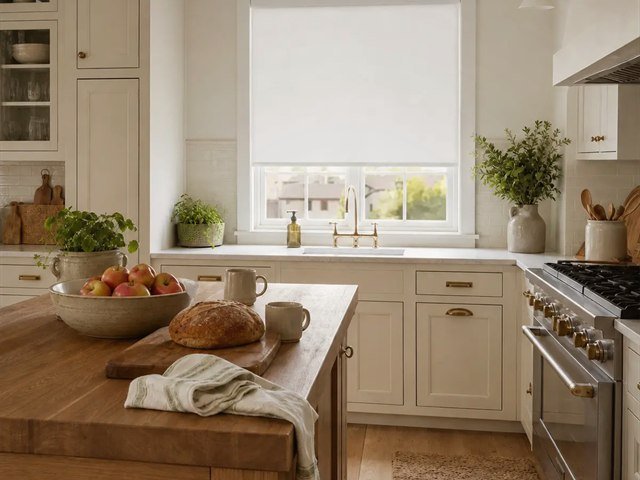
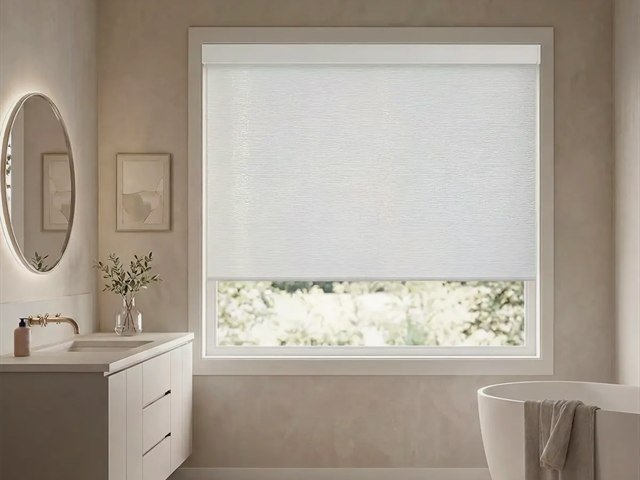
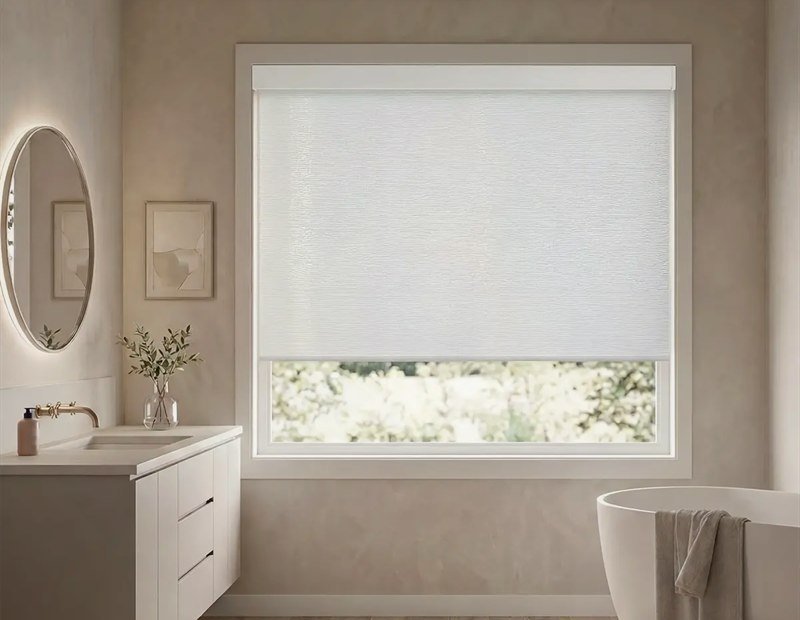
A roller shade is a single panel of fabric on a tube. It is the simplest construction, it has the fewest things to go wrong, and it gives the cleanest line on a window. Choose it when you want an unbroken surface of colour or texture and a predictable result.
Cellular shades: when the window is the problem
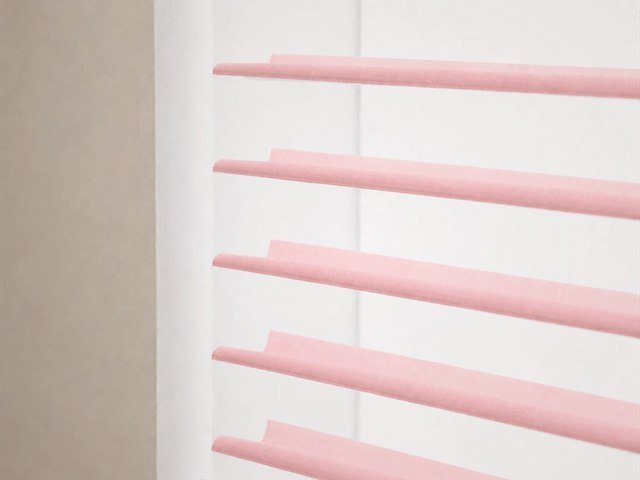
Cellular, or honeycomb, shades trap a layer of still air against the glass. That makes them the right answer when the issue is thermal rather than purely visual: a cold bedroom, a hot west facade, or a low-energy build where the shading has to contribute to the thermal performance.
Zebra shades: when the view has to stay
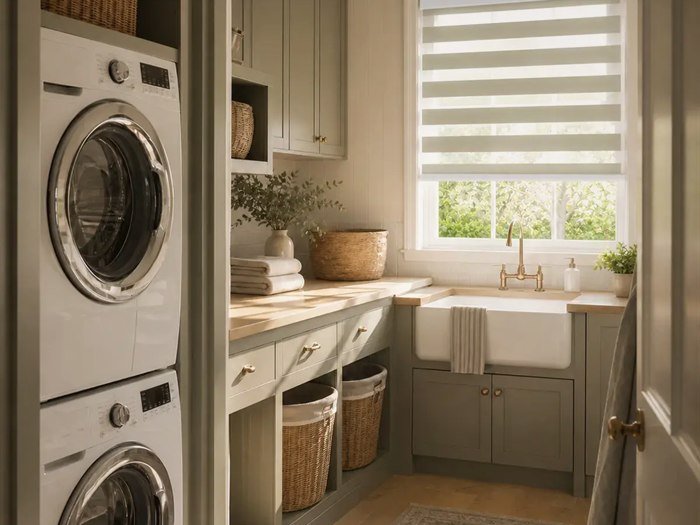
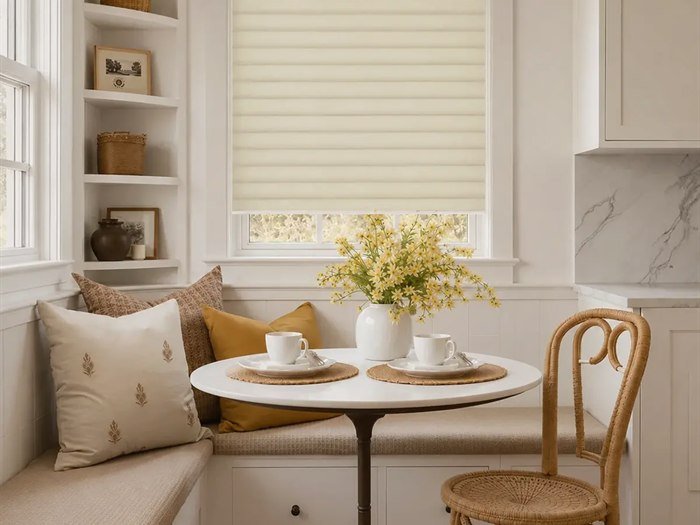
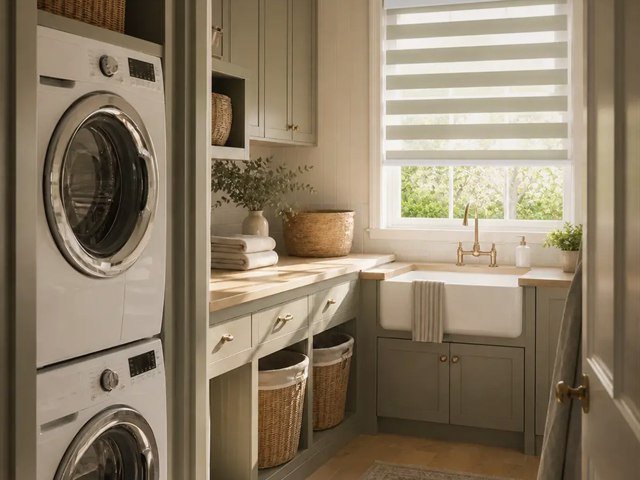
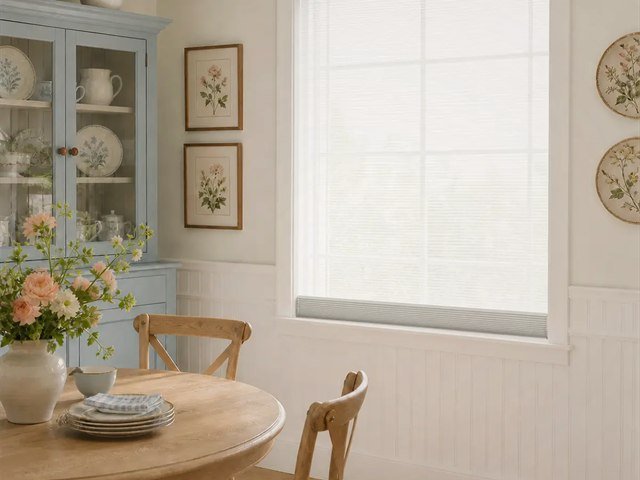
Zebra shades alternate opaque and translucent bands. Because the bands shift against one another, you can go from an open view to a private room without ever fully losing the outside. They suit living rooms, kitchens and sliding doors where a roller would have to be either open or closed.
Making the choice
A useful rule: if the room needs darkness, start with roller. If the room needs thermal performance, start with cellular. If the room needs to keep its view, start with zebra. In mixed schemes it is common to use more than one type in the same house.
Frequently asked questions
A blackout roller shade is the simplest route to a dark room. A blackout cellular shade gives you darkness plus the thermal benefit, which is worth the extra cost in a cold climate.
Yes, and it is common. Most whole-home schemes use two or three types, chosen per room rather than a single type throughout.